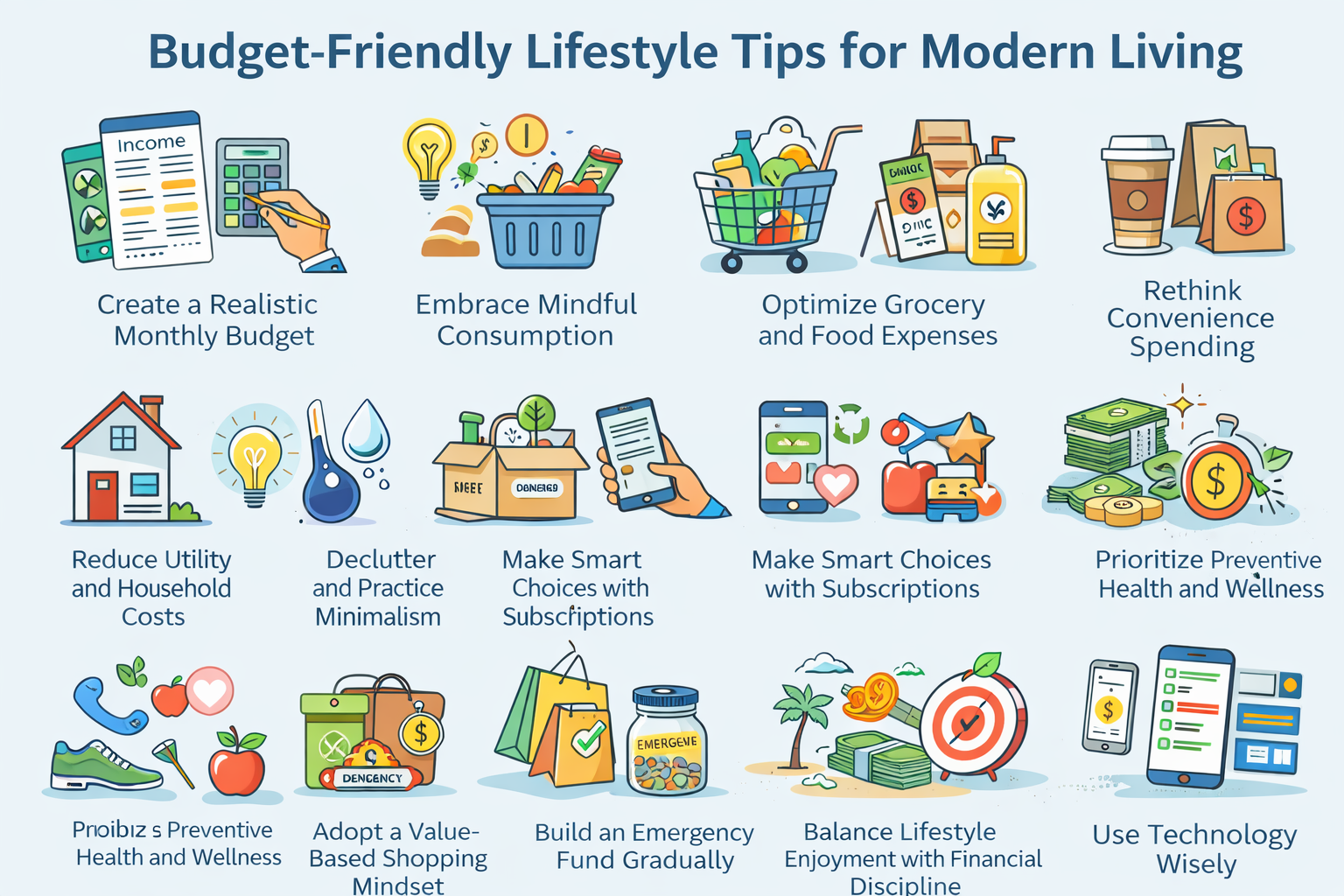
Budget-Friendly Lifestyle Tips for Modern Living
In today’s fast-paced world, living a comfortable life without overspending has become a necessity rather than a choice. Rising costs of housing, food, transportation, healthcare, and digital services have made financial planning an essential life skill. A budget-friendly lifestyle is not about sacrificing happiness; instead, it focuses on making smart, intentional decisions that help you enjoy life while maintaining financial stability. By adopting practical habits and mindful spending strategies, anyone can live well within their means.
1. Create a Clear and Realistic Budget
A budget is the backbone of financial discipline. It helps you understand your income, control expenses, and plan for future goals. A common budgeting method divides income into essentials, discretionary spending, and savings. This structured approach ensures that necessary expenses are covered while still allowing room for enjoyment and savings.
Having a budget gives direction to your money. It prevents overspending, encourages saving, and helps you make informed financial decisions instead of emotional ones.
2. Track Daily Expenses Consistently
Many people underestimate how small daily expenses add up over time. Tracking every expense, even minor purchases, helps identify spending patterns and areas where money is being wasted. Expense tracking builds awareness and accountability, making it easier to stick to your budget.
Using simple tools or maintaining a spending record ensures that you always know where your money is going, helping you take corrective steps when needed.
3. Separate Needs from Wants
Understanding the difference between needs and wants is essential for budget-friendly living. Needs include essentials like rent, groceries, utilities, healthcare, and transportation. Wants include luxury items, entertainment, dining out, and non-essential shopping.
By prioritizing needs and limiting unnecessary wants, you free up money for savings and emergencies while still enjoying occasional treats in a controlled manner.
4. Cook at Home and Plan Meals
Eating out frequently can significantly strain your budget. Preparing meals at home is not only more economical but also healthier. Planning meals in advance helps reduce impulse grocery purchases and minimizes food waste.
Buying ingredients in bulk, choosing seasonal produce, and cooking in batches can further reduce food costs. Home-cooked meals offer better control over expenses and nutrition.
5. Shop Smart and Avoid Impulse Buying
Shopping without planning often leads to overspending. Creating a shopping list and sticking to it prevents unnecessary purchases. Comparing prices, buying during sales, and choosing value-for-money products help stretch your budget.
Second-hand shopping is another effective way to save money. Many pre-owned items such as clothing, furniture, and electronics are affordable and still in excellent condition.
6. Cut Down on Unnecessary Subscriptions
Monthly subscriptions for entertainment platforms, apps, and online services can quietly drain your income. Reviewing and canceling unused or rarely used subscriptions can result in immediate savings.
A periodic review of recurring expenses ensures that you are paying only for services that genuinely add value to your life.
7. Automate Your Savings
Saving becomes easier when it is automated. Setting up automatic transfers to a savings account ensures consistency and removes the temptation to spend that money elsewhere.
Automation helps build a strong saving habit over time and ensures that financial goals such as emergency funds or future plans are steadily supported.
8. Build an Emergency Fund
An emergency fund acts as a financial safety net during unexpected situations like medical emergencies, job loss, or urgent repairs. Having savings set aside prevents the need for high-interest borrowing during crises.
A well-maintained emergency fund offers financial security and peace of mind, allowing you to handle uncertainties with confidence.
9. Embrace Do-It-Yourself (DIY) Practices
Learning basic skills such as simple home repairs, personal grooming, or basic maintenance can significantly reduce expenses. DIY practices promote self-reliance and reduce dependence on paid services.
With access to educational resources, many tasks can be handled independently, saving money while building practical skills.
10. Reduce Waste and Live Sustainably
Budget-friendly living goes hand in hand with sustainability. Reusing items, avoiding disposable products, and reducing waste lowers long-term costs. Simple habits like carrying reusable bags, bottles, and containers can result in noticeable savings.
Living sustainably encourages responsible consumption while supporting both financial and environmental well-being.
Conclusion
A budget-friendly lifestyle is about balance, awareness, and intentional choices. By managing income wisely, tracking expenses, prioritizing essentials, and adopting practical daily habits, you can reduce financial stress and improve your quality of life. Small, consistent changes — such as cooking at home, shopping smart, saving automatically, and avoiding unnecessary expenses — lead to long-term financial stability.
Modern living does not require excessive spending. With thoughtful planning and disciplined habits, you can enjoy a comfortable, secure, and fulfilling life without straining your finances.
lovezg.net lovezg.net lovezg.net lovezg.net lovezg.net lovezg.net lovezg.net lovezg.net lovezg.net lovezg.net lovezg.net lovezg.net lovezg.net lovezg.net lovezg.net lovezg.net lovezg.net lovezg.net lovezg.net lovezg.net lovezg.net lovezg.net lovezg.net lovezg.net lovezg.net lovezg.net lovezg.net lovezg.net lovezg.net lovezg.net lovezg.net lovezg.net lovezg.net lovezg.net lovezg.net lovezg.net lovezg.net lovezg.net lovezg.net lovezg.net lovezg.net lovezg.net lovezg.net lovezg.net lovezg.net lovezg.net lovezg.net lovezg.net lovezg.net lovezg.net lovezg.net lovezg.net lovezg.net lovezg.net lovezg.net lovezg.net lovezg.net lovezg.net lovezg.net lovezg.net lovezg.net lovezg.net lovezg.net lovezg.net lovezg.net lovezg.net lovezg.net lovezg.net lovezg.net lovezg.net lovezg.net lovezg.net lovezg.net lovezg.net lovezg.net lovezg.net lovezg.net lovezg.net lovezg.net lovezg.net lovezg.net lovezg.net lovezg.net lovezg.net lovezg.net lovezg.net lovezg.net lovezg.net lovezg.net lovezg.net lovezg.net lovezg.net lovezg.net lovezg.net lovezg.net lovezg.net lovezg.net lovezg.net lovezg.net lovezg.net lovezg.net lovezg.net lovezg.net lovezg.net lovezg.net lovezg.net lovezg.net lovezg.net lovezg.net lovezg.net lovezg.net lovezg.net lovezg.net lovezg.net lovezg.net lovezg.net lovezg.net lovezg.net lovezg.net lovezg.net lovezg.net lovezg.net lovezg.net lovezg.net lovezg.net lovezg.net lovezg.net lovezg.net lovezg.net lovezg.net lovezg.net lovezg.net lovezg.net lovezg.net lovezg.net lovezg.net lovezg.net lovezg.net lovezg.net lovezg.net lovezg.net lovezg.net lovezg.net lovezg.net lovezg.net lovezg.net lovezg.net lovezg.net lovezg.net lovezg.net lovezg.net lovezg.net lovezg.net lovezg.net lovezg.net lovezg.net lovezg.net lovezg.net lovezg.net lovezg.net lovezg.net lovezg.net lovezg.net lovezg.net lovezg.net lovezg.net lovezg.net

Comments
Post a Comment